

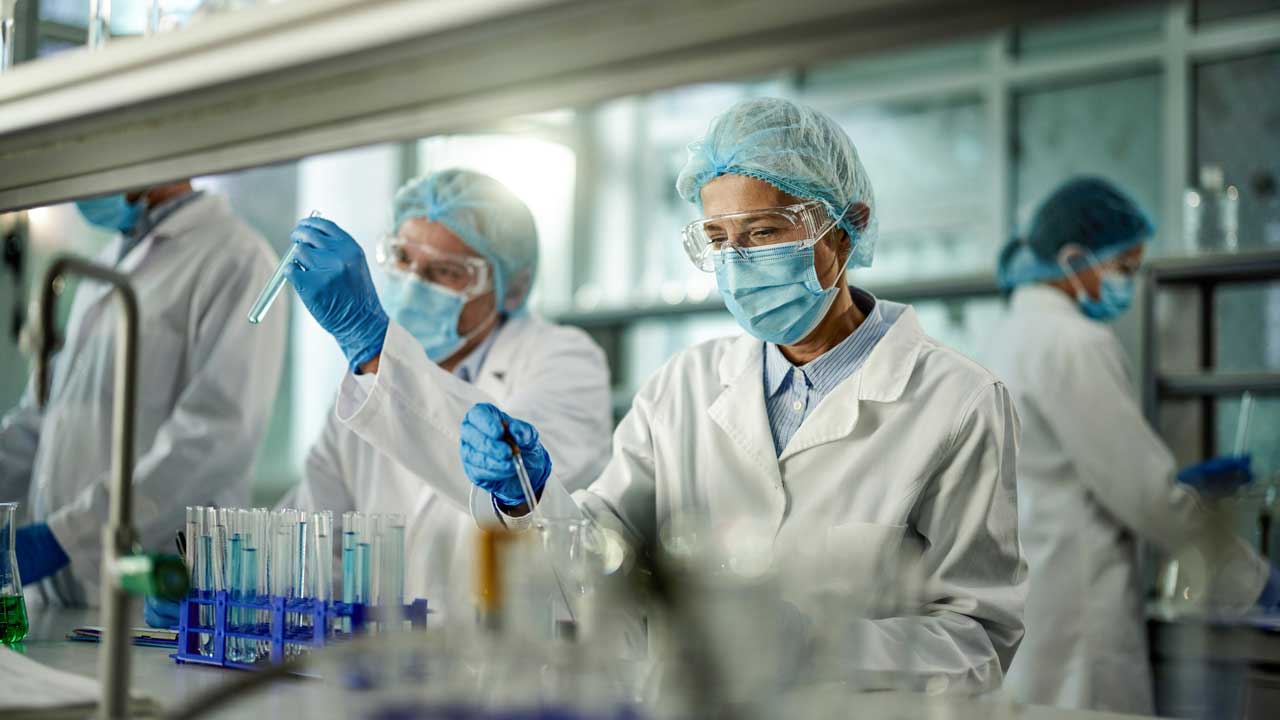
Heterocyclic Chemistry CDMO: Expert Synthesis for Complex Drug Molecules
Heterocyclic Chemistry CDMO: Expert Synthesis for Complex Drug Molecules Heterocyclic compounds form the structural foundation of modern...
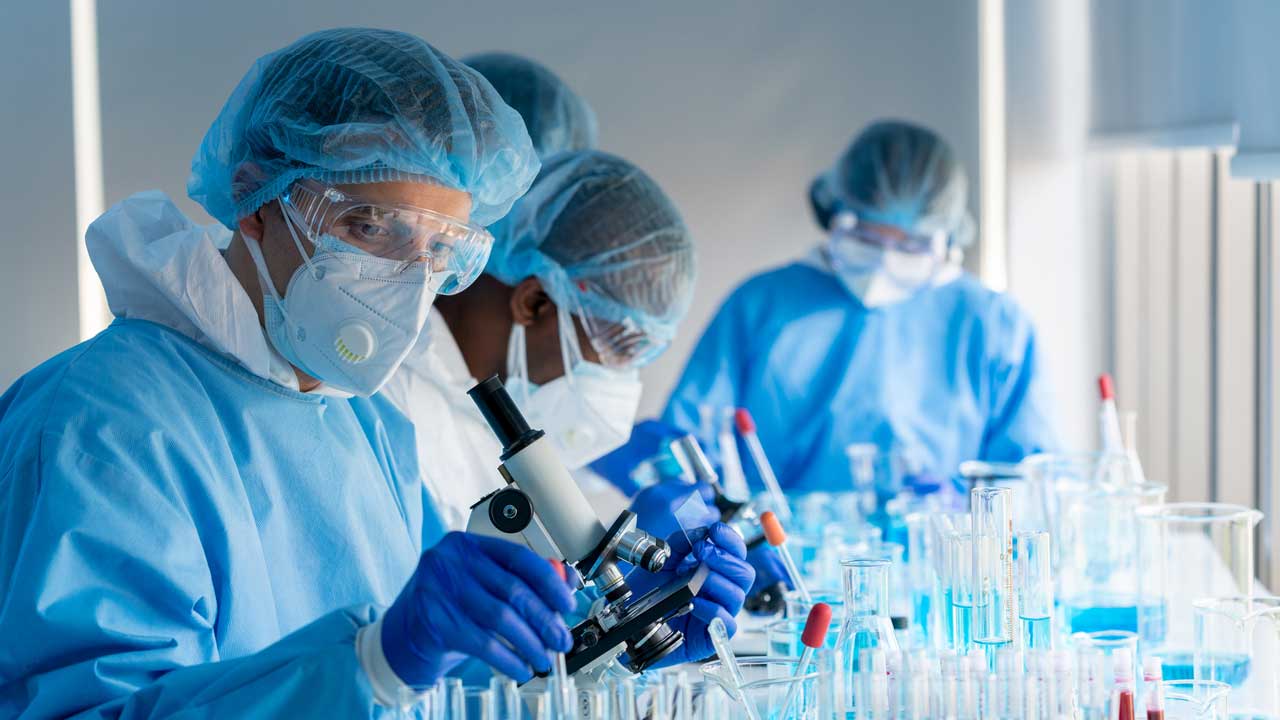
Peptide Development Timelines: Accelerating Discovery to Clinical Manufacturing
Peptide Development Timelines: Accelerating Discovery to Clinical Manufacturing Development timelines represent the difference between...
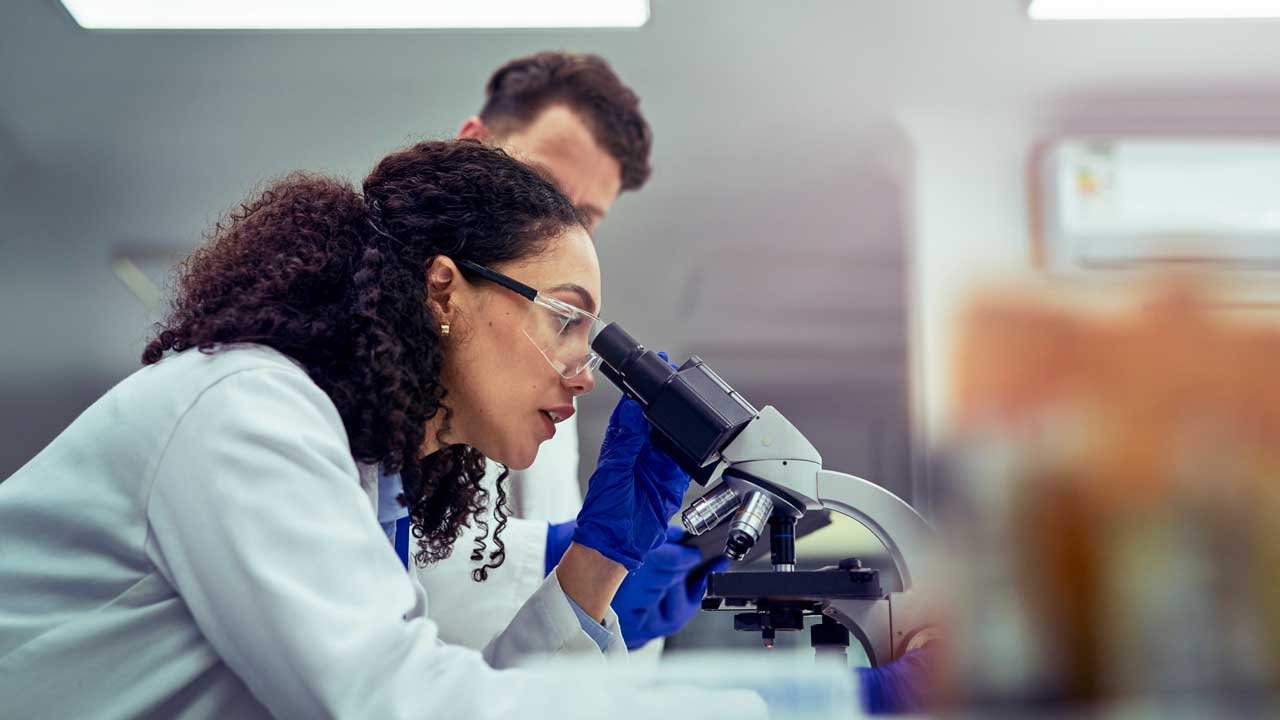
Deuterated Peptides: Extending Drug Half-Life with Isotope Labeling
Deuterated Peptides: Extending Drug Half-Life with Isotope Labeling Short plasma half-lives are among the most significant limitations of...
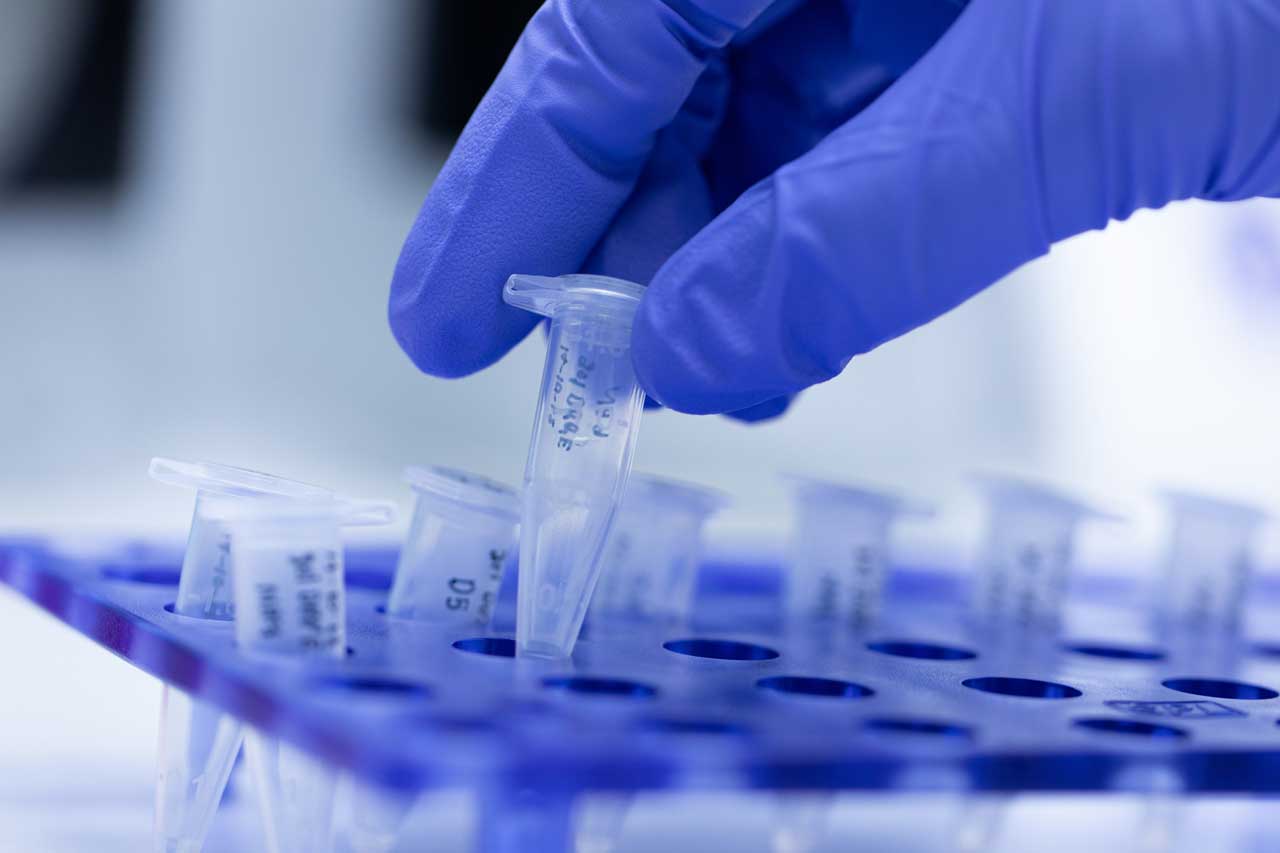
Pharmaceutical Supply Chain Strategies for 2026
Pharmaceutical Supply Chain Strategies for 2026 Pharmaceutical Supply Chain Strategies are undergoing a rapid transformation as the...
Peptide-Drug Conjugate Manufacturing: PDC and PROTAC Synthesis Strategies
Peptide-Drug Conjugate Manufacturing: PDC and PROTAC Synthesis Strategies Peptide-drug conjugates (PDCs) and peptide-based PROTACs...

Peptide Production: From Lab to Industrial Scale
The successful transition of peptide production from laboratory scale to industrial manufacturing represents one of the most complex and...
Peptide Stability and Half-Life Extension: Chemical Strategies and Innovations
The challenge of peptide stability and half-life extension represents one of the most critical obstacles in peptide drug development,...
Automated Peptide Synthesis: Increasing Efficiency and Reproducibility
The advent of automated peptide synthesis has fundamentally transformed the landscape of peptide manufacturing, delivering unprecedented...

Therapeutic Peptides: Revolutionizing Modern Medicine
The therapeutic peptides market is experiencing unprecedented growth, fundamentally transforming the approach to disease treatment and drug...
